Balancing gold in D&D 5e requires scaling rewards across the four tiers of play (consumables in Tier 1, rare items in Tier 2) and providing meaningful gold sinks like strongholds, costly spell components, and downtime crafting to prevent rampant inflation.
Gold and magical treasures provide vital motivation for tabletop adventurers, yet Fifth Edition Dungeons and Dragons offers few structured monetary sinks compared to earlier game editions. Without deliberate economic planning, adventuring parties amass mountains of gold by level seven with virtually nothing meaningful to spend it on, diluting the thrill of quest rewards.
Understanding the Tier-Based Economy
Fifth Edition organizes campaign progression into four distinct play tiers. Aligning treasure distribution with these tiers keeps player rewards impactful:
- Tier One (Levels 1 to 4): Local Heroes. Cash rewards consist of copper, silver, and modest gold purses. Magic rewards should remain strictly consumable: healing potions, utility spell scrolls, and single-use charms.
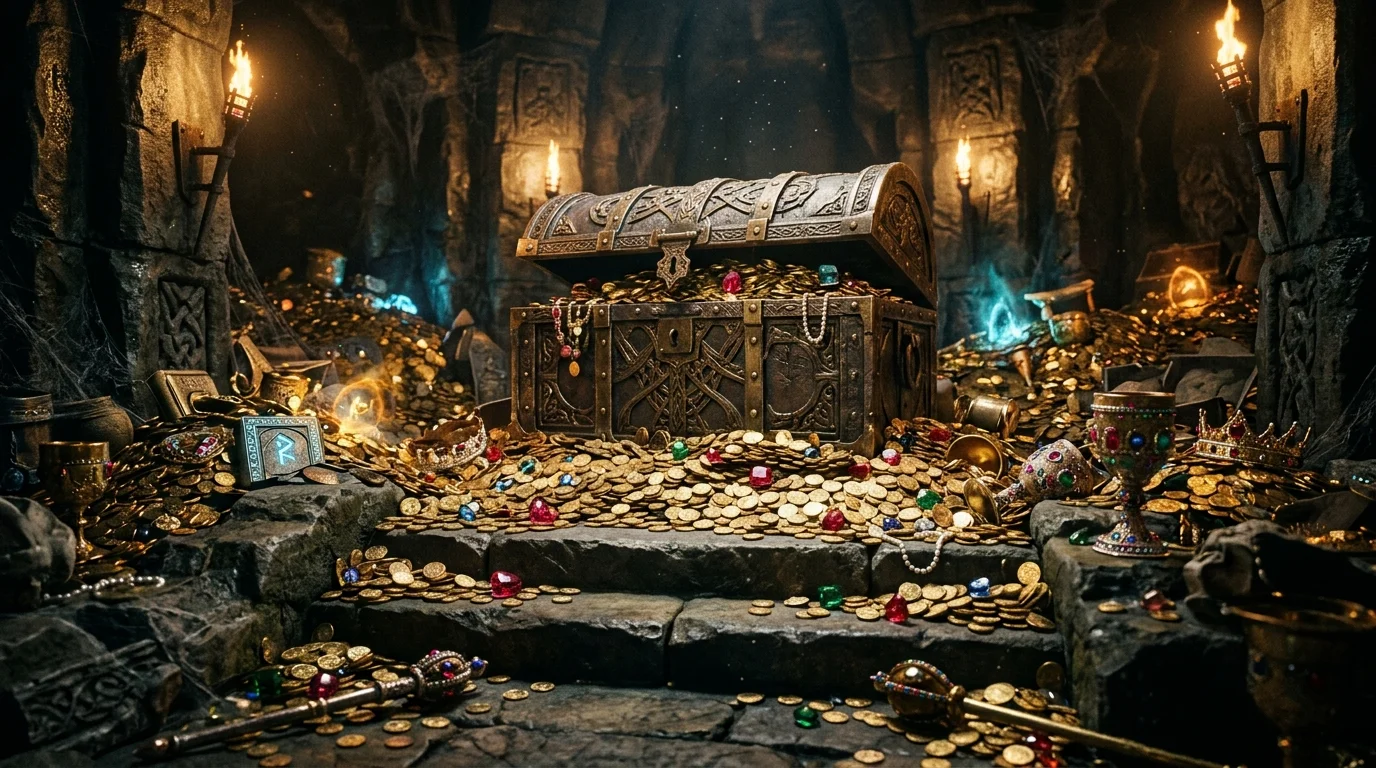
- Tier Two (Levels 5 to 10): Heroes of the Realm. Gold flows freely alongside precious gemstones and art objects. Parties acquire their first permanent uncommon and rare magical items (+1 weapons, Cloak of Protection, Bag of Holding).
- Tier Three (Levels 11 to 16): Masters of the Realm. Hoards contain thousands of platinum coins, ancient relics, and legendary lore items.
- Tier Four (Levels 17 to 20): Multiverse Saviors. Wealth becomes metaphysical, involving planar contracts, divine artifacts, and kingdom-scale assets.
Solving the Gold Inflation Dilemma
When characters accumulate excess currency, introduce immersive narrative expenditures rather than expanding magic item shops:
- Strongholds and Bastions: Allow players to purchase, restore, and upgrade dilapidated towers, guildhalls, or naval vessels. Maintenance payroll, fortification walls, and specialized hirelings soak up thousands of gold pieces while anchoring the party in the campaign world.
- Consumable Spell Components: Enforce material costs for signature high-level spells. Revivify requires 300 gold in diamonds, Heroes' Feast demands a 1,000-gold chalice, and True Resurrection consumes 25,000 gold.
- Magic Item Crafting: Allow downtime crafting where gold pays for rare alchemical reagents, planar metals, and artisan fees rather than direct retail purchases.
To generate balanced hoards matching official Dungeon Master benchmarks in seconds, use our Treasure and Loot Generator. It automatically calculates coinage conversions, rolls gemstone values, and suggests appropriate magic tables. For physical game tables, handing players heavy antique fantasy metal RPG coins during treasure distribution creates unforgettable tactile immersion that paper tally marks cannot replicate.
Magic Item Scarcity Principle
Avoid handing out static numerical bonuses (+1, +2, +3 weapons) excessively. Instead, prioritize items with flavorful utility:
- Mobility Enablers: Slippers of Spider Climbing or Winged Boots expand tactical combat options.
- Information Gathering: Eyes of Minute Seeing or Helm of Comprehending Languages reward clever problem-solving.
- Narrative Relics: Weapons with sentient quirks or slumbering ancestral abilities that awaken as the character achieves heroic milestones.
By controlling item availability and introducing creative monetary drains, Dungeon Masters maintain exciting reward cycles throughout full-length campaigns.
Featured Tabletop Prop: Antique Metal RPG Coins
Hand real, weighty zinc coins to players during hoard distribution for authentic tabletop fantasy tactile immersion.
Related 5e Utilities