Generators & Loot Tables
Spark improvisation in seconds. Roll official SRD 5.1 treasure hoards with coins and magic items, or generate instant NPCs complete with acting mannerisms and secret tavern rumors.
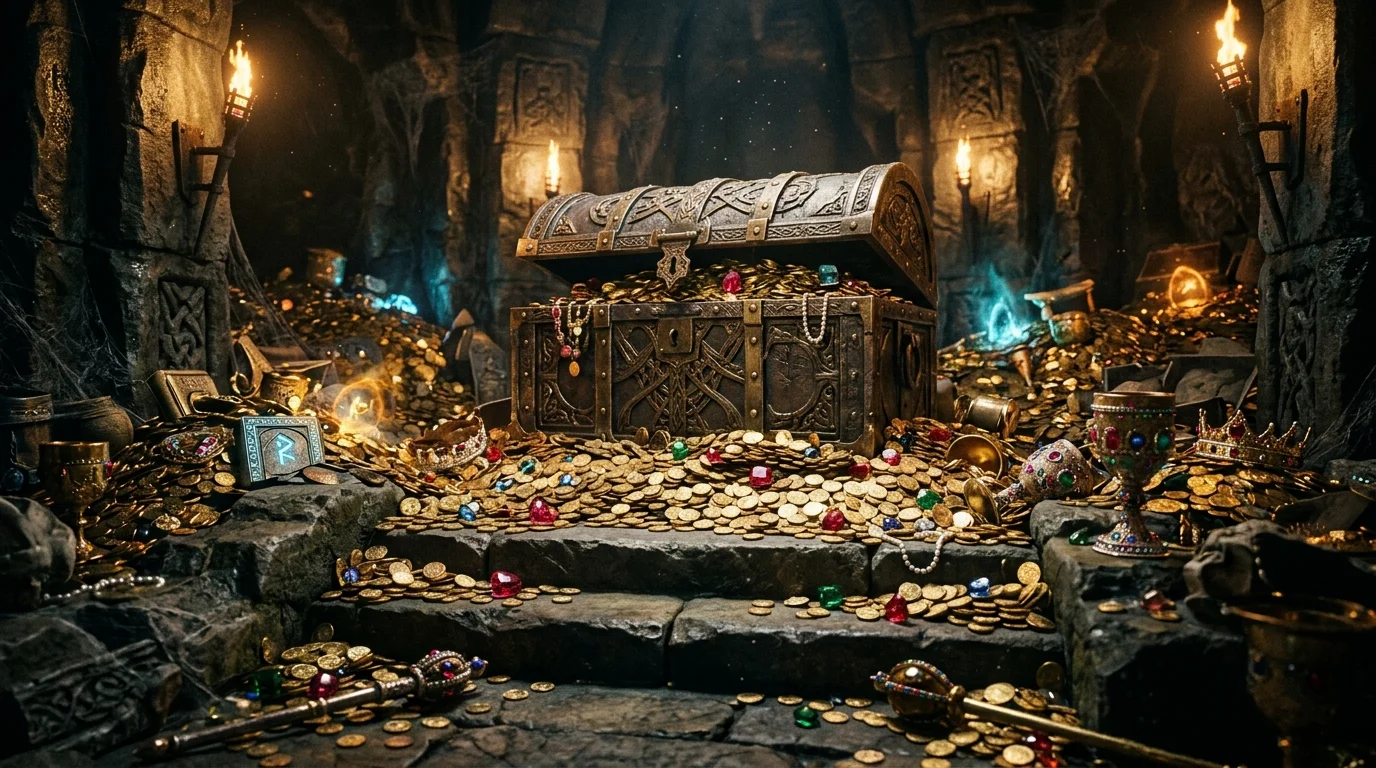
Treasure & Loot Generator
Official SRD 5.1 treasure hoard and coin generator. Roll individual spoils or massive dungeon hoards with CP, SP, EP, GP, PP, gemstones, and magic items in seconds.
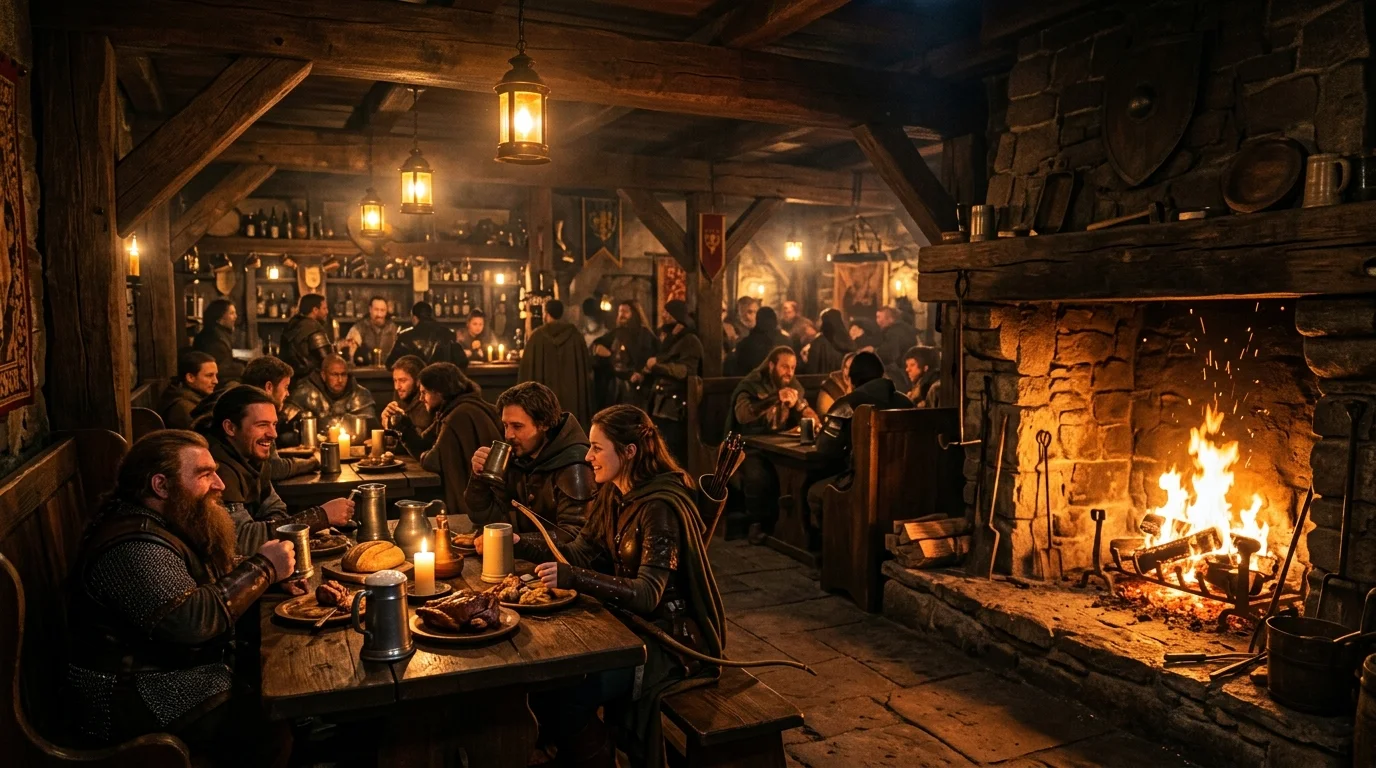
Quick NPC & Tavern Generator
Instant tabletop roleplaying generator for DMs. Roll memorable NPCs with races, occupations, mannerisms, secret motivations, plus atmospheric taverns with food menus and tavern rumors.
Immersion & Handouts
Metal Fantasy Coins
Heavy physical copper, silver, and gold coins for tactile treasure handouts.
Glass Potion Bottles with Dice
Roll healing potions with dice sealed inside corked fantasy potion vials.
NPC & Encounter Card Decks
Quick inspiration cards with illustrated portraits, stats, and roleplay cues.
5e Loot, Treasure & NPC FAQ
Official rules guidance and quick answers from the System Reference Document 5.1.
How is treasure determined in D&D 5e?
5e treasure tables in the SRD 5.1 are divided into two main categories: Individual Treasure (pocket spoils found on wandering monsters) and Treasure Hoards (lair chests and boss vaults). Both scale across four Challenge Rating tiers: CR 0–4, CR 5–10, CR 11–16, and CR 17+. Learn how to prevent campaign inflation in our guide to Balancing 5e Campaign Treasure.
What are the currency conversion rates in 5e?
10 Copper Pieces (cp) = 1 Silver Piece (sp); 5 Silver Pieces = 1 Electrum Piece (ep); 10 Silver Pieces (or 2 Electrum) = 1 Gold Piece (gp); and 10 Gold Pieces = 1 Platinum Piece (pp). 1 Gold Piece is standard currency for most adventuring gear.
How many magic items should a 5e party receive per level?
According to the Dungeon Master's Guide guidelines, an average adventuring party receives approximately 100 magic items over a campaign spanning levels 1 to 20. Roughly 80% are consumable items (potions, scrolls, ammunition) and 20% are permanent wondrous items, weapons, or armor.
How should a Dungeon Master use random NPCs during a session?
Random NPC generators prevent table stalls when players unexpectedly interrogate an unnamed shopkeeper or guard. Roll a name, recognizable physical trait, secret motivation, and speech quirk to bring the character to life instantly, or consult our Encounter Building Reference for integrating NPCs into combat.