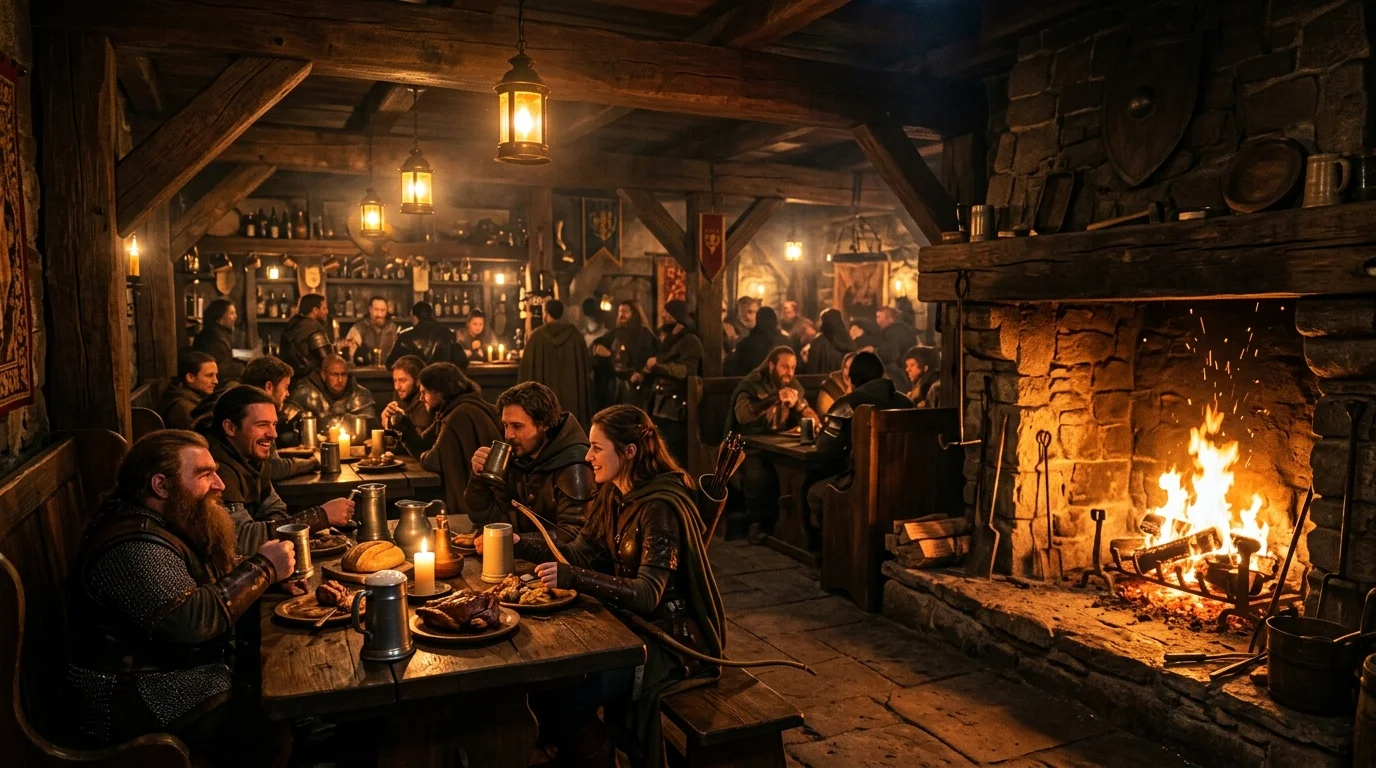
To run balanced rests in 5e, Dungeon Masters must enforce the 24-hour limit on long rests, introduce narrative time pressure (patrols, ticking timers), and ensure 2-3 short rests per day so short rest classes like Warlocks and Monks remain competitive with long rest classes.
Resting mechanics form the biological heartbeat of Fifth Edition adventuring days. The tension between pushing forward into hostile territory or pausing to bind wounds defines tabletop pacing. However, many gaming tables struggle with the five-minute adventuring day, where players expend all daily resources in a single fight and immediately demand eight hours of sleep.
Balancing Short Rest and Long Rest Classes
A major source of inter-party balance friction stems from the divide between short rest and long rest class mechanics:
- Short Rest Reliant Classes: Warlocks regain their highest-level pact slots, fighters refresh Action Surge and Second Wind, and monks replenish vital ki points after a one-hour breather.
- Long Rest Dominant Classes: Wizards, sorcerers, paladins, and barbarians require a full eight-hour sleep to restore spell slots, divine smites, and raging fury.
When Dungeon Masters permit frequent long rests without consequences, long rest classes overshadow short rest characters by deploying maximum power in every combat. Conversely, incorporating two to three short rests between each long rest allows warlocks and fighters to shine, balancing party utility across the entire session.
Enforcing Environmental Tension
Long rests are not guaranteed safe spaces. According to the Fifth Edition rules, a character can only benefit from one long rest in any twenty-four hour period. Furthermore, resting inside a hostile dungeon presents real narrative hazards:
- Active Patrols: Sentry monsters discover fallen allies and organize defensive perimeters or active ambushes while players sleep.
- Time-Sensitive Objectives: Hostages face execution, ritual timers tick down, or competing adventuring parties plunder treasures while your group camps.
- Environmental Hazards: Noxious subterranean gases, extreme cold, or desecrated planar ground demand successful survival checks to gain full rest benefits.
When characters spend hit dice during short rests, tracking individual die expenditures and constitution modifiers can slow table pace. Our Rest and Hit Dice Calculator automates average healing rolls, tracks remaining dice pools, and simulates short rest recovery instantly. For groups playing around physical battlemaps, incorporating modular fantasy camp battle mats transforms nocturnal ambush encounters into vivid tactical skirmishes.
Alternative Rest Variants for Grounded Campaigns
If standard resting rules make wilderness travel feel trivial, consider these official alternative options:
- Gritty Realism: Short rests take eight hours, and long rests require seven days in a safe sanctuary town. This variant turns cross-country travel into a grueling test of logistical planning.
- Heroic Resting: Short rests take five minutes, and long rests take one hour. Ideal for fast-paced cinematic one-shots and tournament-style dungeon gauntlets.
By pacing rests deliberately, Dungeon Masters maintain dramatic stakes while honoring the resource cycles of every character class.
Featured Encounter Gear: Wilderness Campsite Battle Mat
Bring evening ambushes and nighttime rests to life with double-sided grid battle mats featuring forest glades and ancient ruins.
Related 5e Utilities